
6 DIY Home Remedies for Limescale: Vinegar, Citric Acid & More
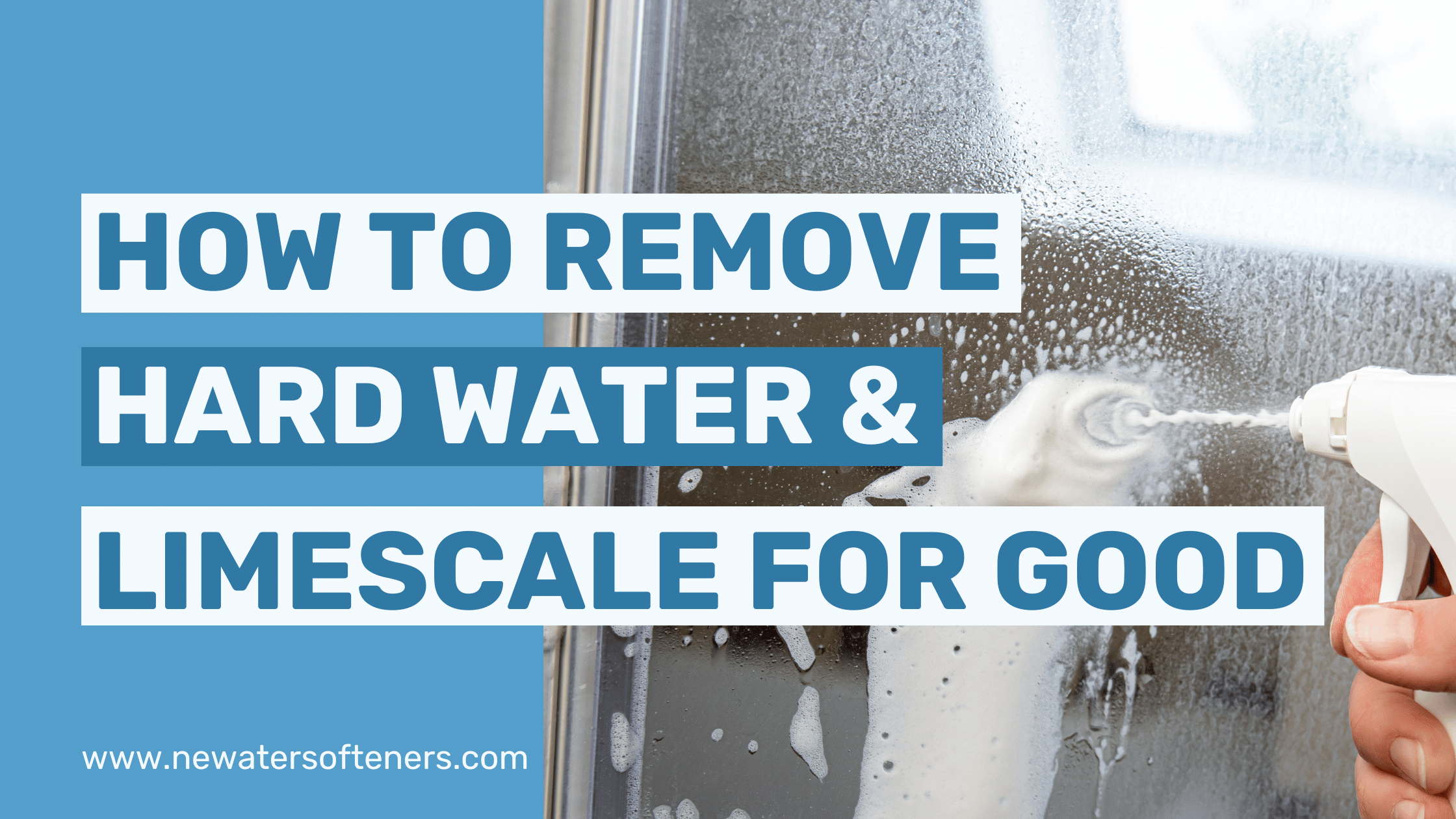
What Are the Best DIY Home Remedies for Limescale?
Cost Effective Methods
White scale deposits, scum build up - limescale in the home is both noticable and annoying! And because it's constantly building up, this means constant cleaning. So what are the most cost effective at home methods to use? As experts in hard water treatment, in this at home removal guide, we’ll explain the problems caused by hard water, where limescale builds up, and the top 6 DIY Home Remedies for Limescale.
DIY Limescale Removal
There are plenty of DIY limescale solutions that promise to remove scale and scum, such as:
- Vinegar
- Lemon juice
- Bicarbonate of soda
- Citric acid
- Bicard of Soda Mixed with Vinegar
- Shop Bought Descalers
1. White Wine Vinegar
White vinegar is one of those things that seems to be good for everything, and something we are sure you have seen your grandparents using time and time again. For limescale, it's one of the most common and well-known home remedies. Why? Well the acidity helps dissolve hard mineral deposits that leave those annoying white marks around your taps, sinks and shower.
How to use Vinegar
For small areas, soak the affected area in vinegar using a cloth and leave it for a 5-10 minutes. Then simply wipe away the loosened deposits, then rinse thoroughly with clean water and dry the surface.
The Drawbacks
Vinegar can work for minor and thin layers of limescale - but for stubborn build-up its not something we recommend to be effective. And you may find yourself repeating the process over and over again.
No only that - but vinegar is acidic! And leaving vinegar on your surface and fixtures over time can cause errosion, it can also damage natural stone and delicate finishes.
Natural vinegar based limescale removers also have other drawbacks including:
- Time-consuming and labour intensive
- Require frequent, repeated use - you could find yourself doing this every day
- Only remove surface deposits — not the source of the problem
- Don’t stop limescale from coming back
2. Lemon Juice
Another option that sits in the acidic category is lemon juice! You may have heard of people trying to remove other stains with lemon juice and it is also thought to help with light limescale deposits.
How to use Lemon Juice for Limescale
Squeeze a lemon or some lemons and apply a little lemon juice to a limescale stained surface, leave it briefly, then wipe clean and rinse well.
The Drawbacks
Sounds so simple and too good to be true? That's because it is. Lemon juice won't shift thick or long-standing deposits, and despite its fresh citrus smell, lemon juice is still acidic. That means corrision can occur and also discolouration. Avoid using it on marble, limestone or other acid-sensitive materials.
3. Citric Acid
You could be sensing a theme here - acid based liquids are popular at home for stain removal. And citric acid is no exception. Citric acid is a form of vitamin C and is used in many descaling products. On forums some homeowners claim to use it on kettles and small components VS surfaces.
How to use Citric Acid for Limescale
Dissolve citric acid powder in water according to the product instructions, apply it to the affected area or soak components and rinse thoroughly afterwards..
The Drawbacks
As with vinegar and lemon juice, don't assume it's safe for every surface. Citric acid is really better for things like food and colour stains than surfaces.
Over time acidity can cause discolouration and it really is only suitable for light scale build up. Remember these acidic remedies don't stop scale building up - so you'll need to use it multple times a week, leading the risk of corrosion to be even higher.
4. Bicard of Soda
Bicarbonate of soda is a popular household cleaning ingredient, another pantry product that you parent and grandparents have probably used for years. But it works very differently from vinegar and citric acid. It's mildly abrasive and can help with general cleaning, although it isn't particularly effective at dissolving heavy limescale by itself.
How to use Bicarbonate of Soda
But it's worth a try right? To use it, you can make a small amount into a paste with water and gently apply it to a suitable surface using a soft cloth. Rinse thoroughly afterwards.
The Drawbacks
Again - be careful with polished or easily scratched finishes! One thing you'll already know is that limescale needs to be scrubbed in order to really remove it - but with bicarb it can actually damage your fixtures and fittinga, so as experts in limescale - we recommend avoiding vigorous scrubbing!
For established scale and scum, an appropriate descaling product is generally a better choice.
5. Bicard of Soda and Vinegar Together
Now this is thought to be the ultimate combination recommended for all sorts of homes cleaning jobs. When vinegar and bicarbonate of soda are mixed, they fizz as they react with each other.
How to use Bicarbonate of Soda
Mix a portion of vinegar with the bicarb in an open container with high walls. Soak your surface or fixture and fitting in the mixture and leave.
The Drawbacks
Although the bubbling can look impressive, the reaction also neutralises much of the vinegar's acidity. This means ... in reality, the mixture isn't necessarily more effective at dissolving limescale than using a suitable limescale cleaner on its own.
If you want to try this combination for general cleaning, avoid mixing it in a sealed container, as the reaction releases gas. This method generally isn't one of the best for removing hard water scale.
6. Shop Bought Descalers
In our experience, household remedies won't shif long term deposits, and therefore you might want to jump straight to a purpose-made limescale remover like Vikal. These products are designed to tackle mineral build-up, but it's still important to choose one that's suitable for the surface.
How to use Descalers
You can buy a handy spray to use on surface or you can also buy descaler solutions designed for soaking purpsoes. Follow the label carefully and the individual prduct instructions.
The Drawbacks
These descalers contain chemicals that are toxic. In particular, never mix acidic cleaners such as vinegar or citric acid with bleach, as this can release dangerous chlorine gas.
For very thick deposits, you will also need several careful applications of descalers - and you wll have to clean your surfaces daily. This is both time consuming and costly - descalers are not cheap.
Do These Remedies Stop Limescale Coming Back?

In short - no. As you have read, all of these DIY methods require constant cleaning. So while they offer short-term results, they do nothing to prevent new scale from forming. You’ll be stuck in a cycle of cleaning, scrubbing, and replacing damaged items. They also won't help if you are having skin or hair issues such as dry skin, acne and hair loss or damage.
Hard water will always leave limescale behind unless it’s treated at the source.
Why is Limescale Bad?
The removal of hard water stains can be done at home with some at home DIY remedies. However, these at home remedies take time and they dont fix the underlying problem - allowing the limescale damage to continue building up in your home. Below are some unsucessful DIY ways to remove limescale that we have seen over the years - to find out more --> Click Here.
If your home suffers from limescale, you’re not alone. Hard water affects over 60% of UK households and brings with it way more than just cosmetic issues — it can damage your appliances, your plumbing, and even your skin.
What Determines if Your Home has Limescale?
In case you didn't know already, Limescale is the chalky white residue left behind when hard water evaporates, depositing hard minerals like calcium and magnesium. If you have hard water - unfortunately it is unavoidable and it is determined solely by the area and postcode in which you live in. To make matters more complicated, some areas contain both hard and soft water. For example, in the centre of yorkshire the water can be soft ... but in parts of Northern yorkshire the water can be hard!
To read more about "What is Hard Water?' --> Click Here
Common Issues You May Have Noticed
Here are some of the most common places limescale shows up in the home — and the damage it causes:
- Limescale in Your Kettle - Hard water leaves mineral deposits in your kettle, affecting taste and leading to scum in your tea or coffee.
- Taps, Sinks, and Bathroom Fixtures - That cloudy white (sometimes orange or green) scale around your taps and showerheads? That’s limescale.
- Blocked Showerheads - Hard water minerals clog showerheads, reducing water pressure and flow.
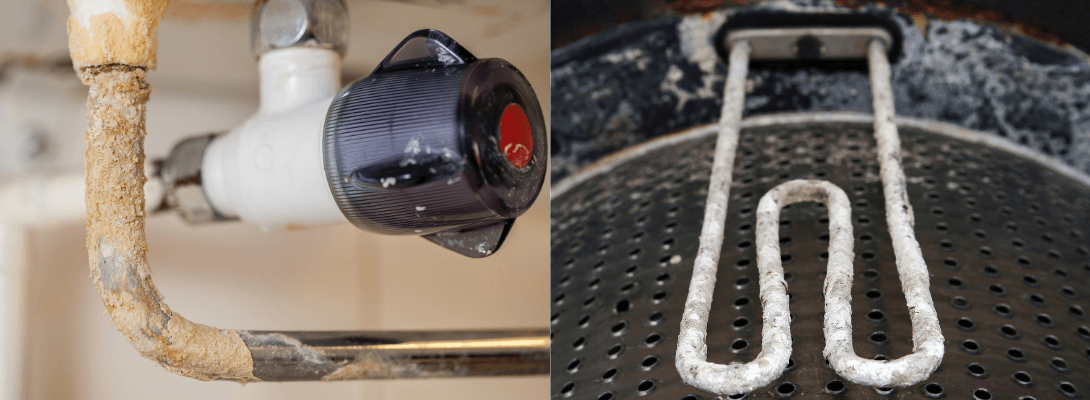
- Blocked Pipes and Boiler Issues - Inside your plumbing, limescale narrows pipes and damages heating elements.
- Hard Water and Skin & Hair Problems - Hard water doesn’t just damage your home — it can disrupt your hair and skin’s natural barrier, leading to dry skin, eczema, or irritation.
To find out more about hard water problems --> Click Here
The Permanent Solution to Limescale
DIY remedies and temporary fixes will leave you wasting time and money. But imagine if you didn't need to clean as much? Imagie if even exist limescale could be removed without lifting a finger? A water softener is the only real permanent solution to limescale. Click below to find out more about the benefits of a water softener.
The Benefits of a Softener📞 Call us on 01429 872 522
📩 Or click here to enquire online