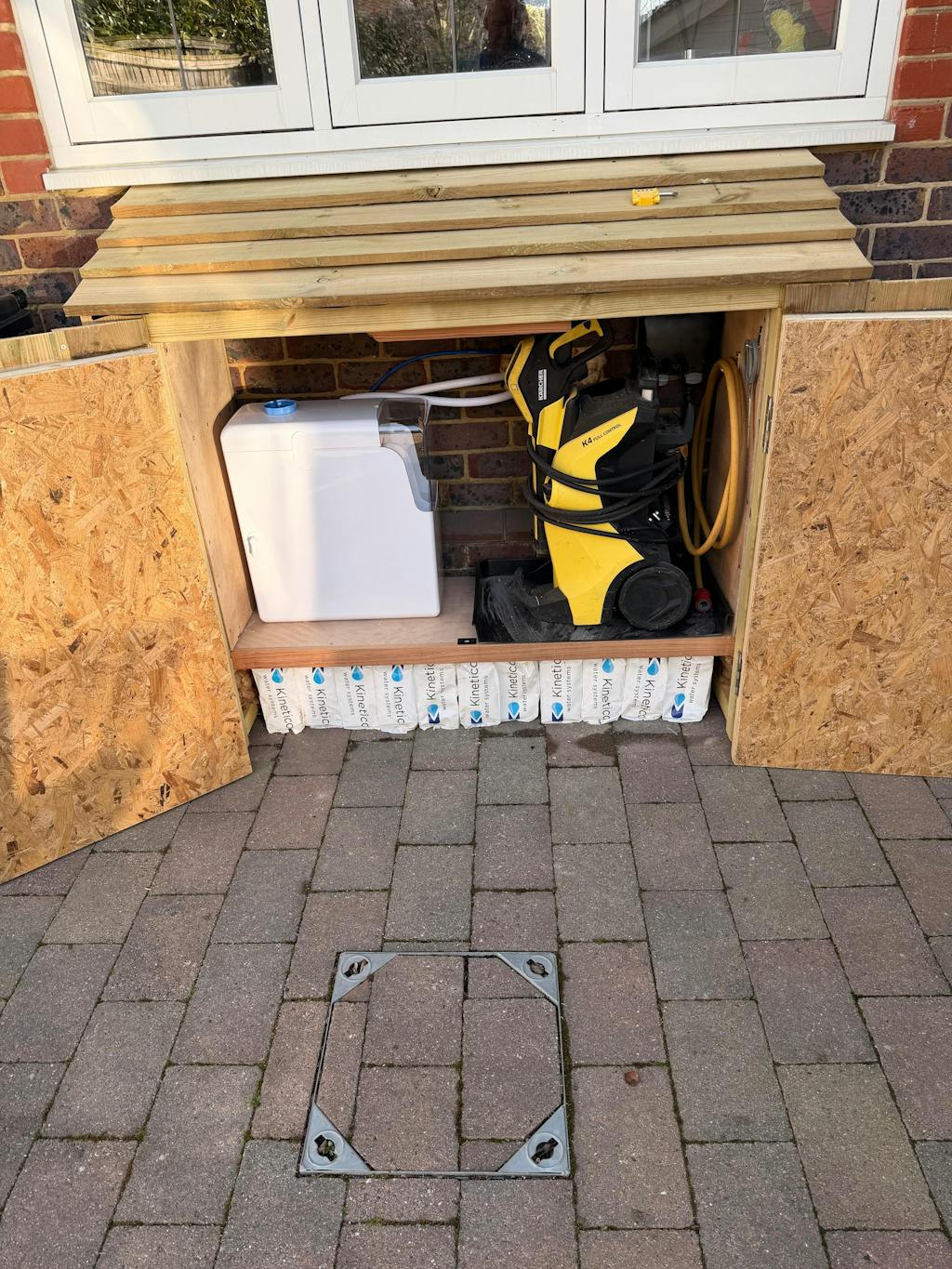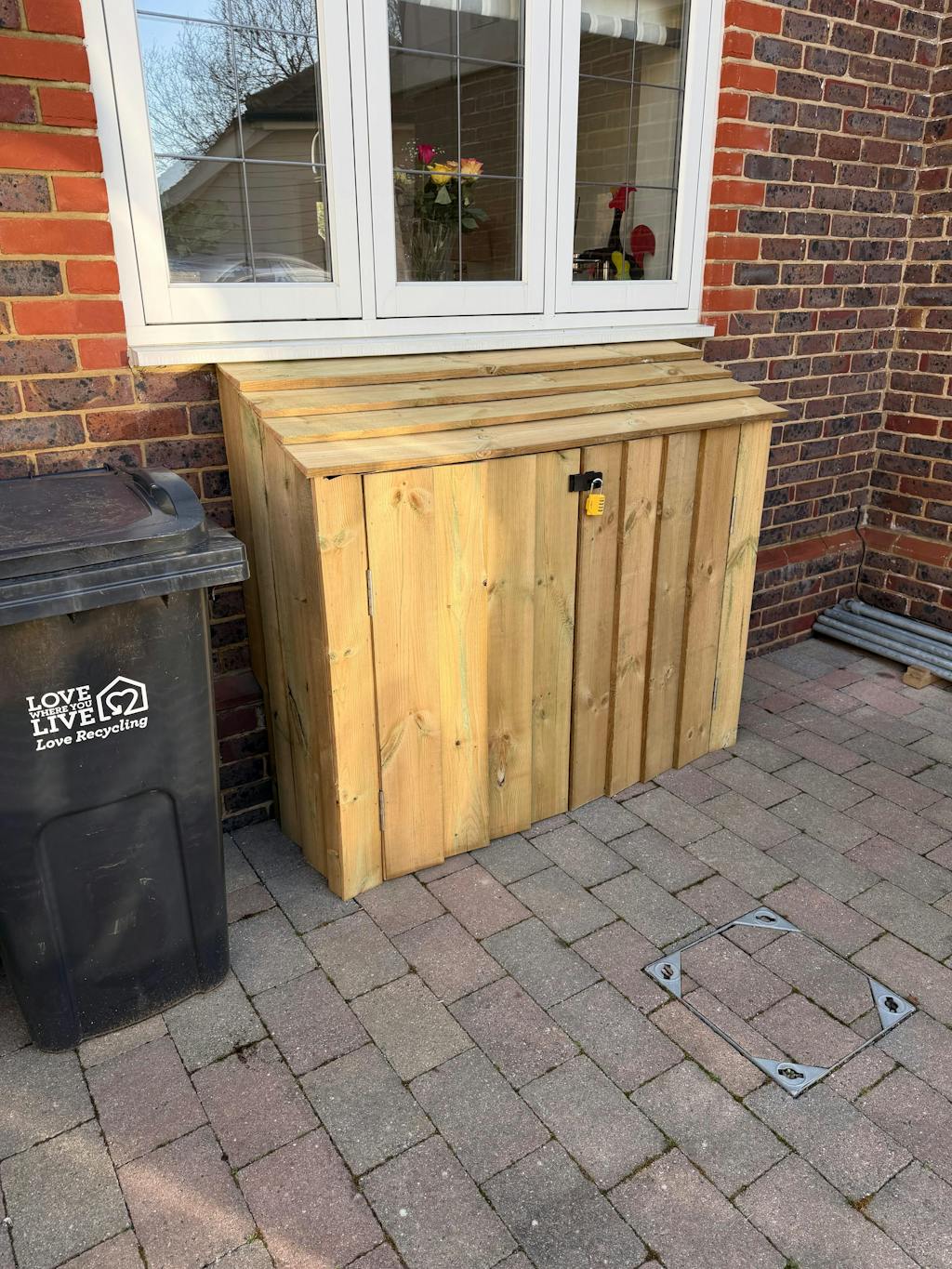
Water Softener Installation By a Plumber
How to Find a Water Softener Plumber Near Me
Searching for "find a plumber near me" -get in touch with us on our online chat, or call directly and we may be able to help you.
Finding a local plumber to install your water softener is usually straightforward. Many homeowners choose to work with trusted professionals in their local area.Here are a few simple ways to find a reliable installer:
1. Use Local Trades Platforms
Websites that connect homeowners with tradespeople can help you find plumbers who specialise in domestic installations. Look for installers with strong reviews and experience in plumbing upgrades. E.g. check a trade.
2. Ask Your Neighbours, Family & Friends
If you don't have a local plumner - it might be worth asking your neighbours, family and friends who their trusted plumber is ( you may even geta referral rate).
3. Check Local Community Facebook Groups
Most cities and towns have local community facebook groups - these groups are great for connecting with others and asking for trusted refarrals.
4. Look for Plumbing Qualifications
When comparing plumbers, check that they:
- - Are fully qualified
- - Have experience with general plumbing installations
- - Carry appropriate insurance
5. Request a Quick Installation Quote
Most plumbers can provide a quote once they understand where the softener will be installed and the layout of your plumbing.

What to Expect From a Qualified Plumber
What to Expect From a Qualified Plumber
When installing a water softener, it’s important to choose a plumber with experience working on domestic plumbing systems.
A professional installer should:
Many plumbers are familiar with installing water softeners, especially in areas with hard water.
The Benefits of Choosing a Local Plumber In Your Area
Working with a local plumbing professional has several advantages.
1. Faster Scheduling
Local plumbers can often arrange installation quickly, especially for straightforward plumbing work.
2. Local Knowledge
A plumber who regularly works in your area will already be familiar with common plumbing layouts found in local homes.
3. Ongoing Support
If you ever need adjustments, maintenance, or advice about your plumbing system, having a trusted local plumber can make things much easier.
4. Cost Savings
When purchasing supply only, be sure to ask for quotations from several different plumbers and get the best deal in your area.
Water Softener Installation: Step-by-Step: What to Expect During a Plumber Install
Installing a water softener is one of the most effective ways to protect your home from limescale and enjoy softer water throughout your property. Many homeowners are surprised to learn that the installation process is relatively straightforward for a qualified plumber and can often be completed within just a few hours.
If you’re purchasing a water softener online, the next step is arranging installation with a local professional. This guide explains how water softener installation works, what a plumber will do during the process, and how to find a reliable installer near you.
A professional plumber will normally follow a straightforward installation process.
1. Assessing the Water Supply
The plumber will first locate the main incoming water supply to your property. This is usually under the kitchen sink or close to where the mains pipe enters the house.
They will confirm the best position for the softener and check that there is adequate space for the unit and salt storage.
2. Isolating the Water Supply
Before any work begins, the mains water supply is turned off to allow the pipework to be safely modified.
3. Fitting an Isolation and Bypass Valve
A bypass valve is installed so that the water softener can be isolated if maintenance is required. This also allows unsoftened water to be supplied to the house if needed.
4. Connecting the Water Softener
The plumber connects the inlet and outlet pipes of the water softener to the main water line. This allows hard water to enter the system and softened water to flow back into your home.
5. Installing the Drain Connection
Water softeners periodically regenerate using a small amount of water and salt. A drain connection is installed so the system can safely discharge this water during the regeneration cycle.
6. Setting Up the System
Once the plumbing connections are complete, the plumber will:
- Turn the water supply back on
- Check for leaks
- Add the initial salt
- Program the softener according to your household water usage and hardness level.
7. Final Checks and Demonstration
Finally, the plumber will ensure everything is operating correctly and show you how to:
- Add salt
- Check the system
- Use the bypass valve if required