How does a water softener prevent limescale
Water Softener Limescale Prevention
How Does a Softener Remove Scale
Limescale in the home is not only annoying and unsighly,but it can also be incredibly damaging - especially when left over time. You may have already looked into ways to remove scale, incluidng descalers and DIY at home remedies - but how can you prevent it? In this guide we outline how a water softener works to stop and prevent limescale at the source.
What Causes Limescale to Build Up?
If you’ve ever dealt with limescale build-up in your kettle, dry skin , or even reduced water pressure from your taps, you’re likely living with hard water. Infact, it’s a common issue in many areas across the UK, especially down South in places like London, Kent, and the South East., as well as in the North and North East.
But what actually causes it? Limescale is caused by excess hard water minerals - calcium and magneisum. These minerals exist in surrounding geology, so when rain falls and passes over rock surfaces - it obtains hard minerals, before then entering water systems and eventually the mians supply connected to your home. Whilst hard water isn't harmful to health - it is harmful t your home.
How Does a Water Softener Work?
A water softener removes calcium and magnesium hard minerals from your water. And how does it do this? To put it simly - A water softener works by a prcess called ion exchange.
The components of a Water Softener
1. The Cabinet
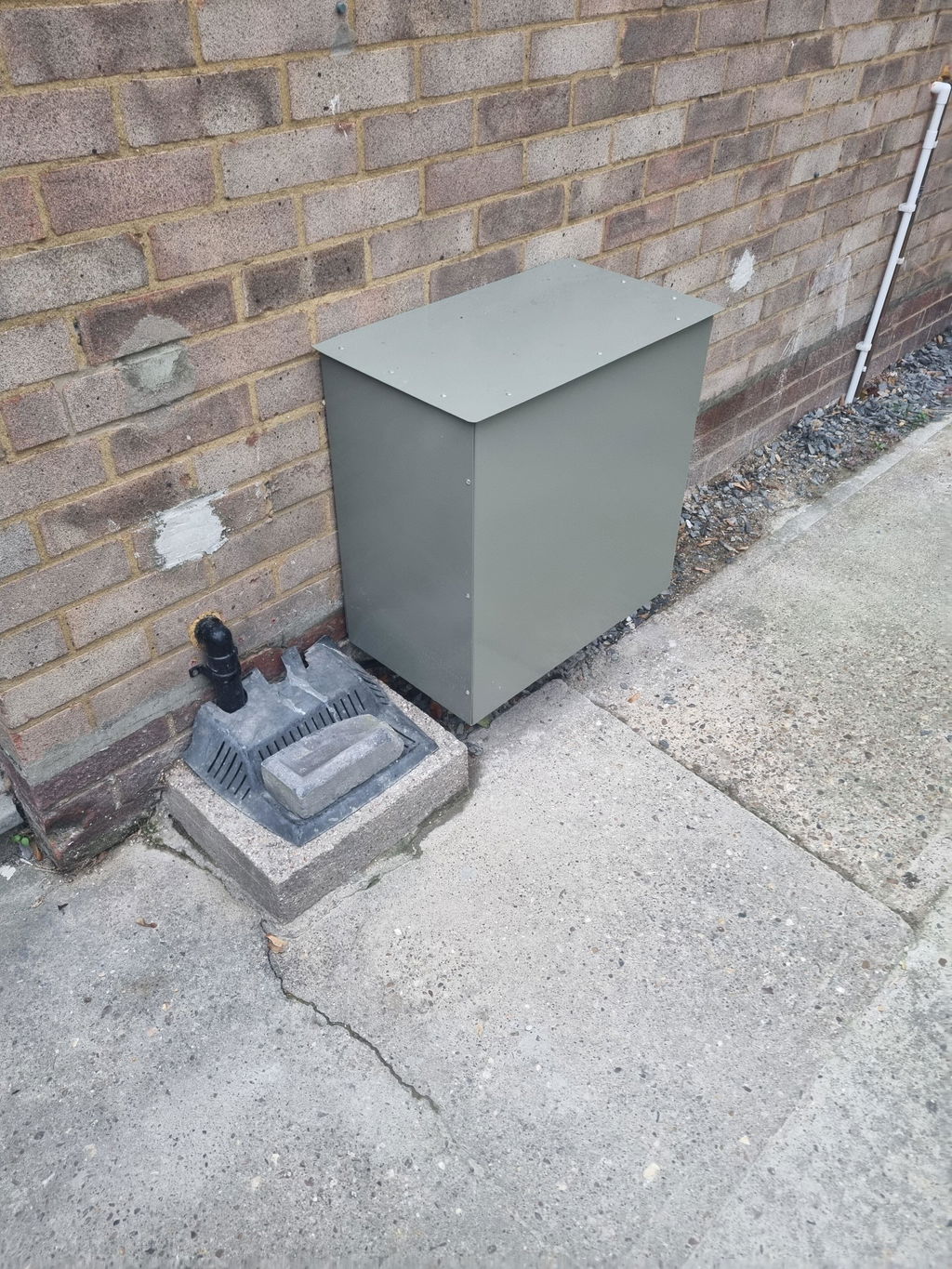
This is the exterior of the softener usually made of plastics.2. Resin tank / Resin beads
The tank holds the resin beads through which the hard water passes during softening. The beads consists of tiny beads that attract and exchange the calcium and magnesium ions responsible for hard water.3. Brine tank & Solution
This stores the salt used to make the brine solution needed to regenerate the resin. The salt and a brine solution are essential to restore the resin's ability to exchange hardness minerals.4. Inlet, Oultet & Drainage Pipes
The inlet and outlet connections allow hard water to enter the unit and softened water to leave and supply the home. The drainage pipe carries away the wastewater produced during regeneration, including the displaced hardness minerals and used brine.How Does the Water Softening Process Work?
Step 1: Hard Water Enters the Water Softener — the unit treats water as it enters the home.
Incoming hard water from your mains supply flows through the softener and through a tank of resin beads coated with sodium ions.Step 2: Ion Exchange Removes Hardness Minerals
The sodium in the resin resin beads capture calcium and magnesium ions and exchange them for sodium ions. This is Ion exchange. The result is soft water that is free from limescale can now flow from the softener and into the home.Step 3: The Resin Regenerates So It Can Keep Working
Once the resin is saturated with hard calcium and magnesium, the softener regenerates itself by rinsing through with brine from a separate salt tank. Non electric systems, run entirely on your incoming water pressure.Step 4: Waste Water Is Removed Through the Drainage Pipe
During regeneration, the water softener flushes away the brine and the displaced calcium and magnesium minerals. This wastewater is carried out of the unit through a dedicated drainage pipe and discharged into a suitable waste drain. Once the regeneration cycle is complete, the softener is ready to continue treating incoming hard water.
Does Soft Water Contain Limescale?
No! That is the beauty of a water softener, the entire process removes limescale and converts hard water to soft.
- Softened Water: Hard minerals (calcium and magneisum) in water dry to create limescale. But because a water softener removes hard ions from water via ion exchange, it means there is no way for limescale to actually form n the first place!
- Why? Because there is no precipitation and scale: Without calcium and magnesium, there are no minerals to precipitate out and form limescale when the water is heated inside the boiler.
Soft water has a range of benefits - to find out more, click the link below.
What Does a Water Softener Help Protect?
A softener can prevent limescale in pipes, whilst also protectng your boiler and appliances. By installing a system in your home you can protect:
- Boilers and hot-water systems
- Pipes, taps and shower heads
- Kettles, washing machines and dishwashers
- • Bathroom fittings and kitchen surfaces Focus on reducing new scale build-up, rather than making guaranteed claims about energy savings or appliance lifespan.
Does a Water Softener Remove Existing Limescale?
A water softening system prevents limescale AND it also breaks down existing limescale over time! That means visibly you'll notice a difference on your surfaces and in your kitchen and bathroom, but invisibly, build up inside your pipes, taps and boiler will also start to break down without any additional effort.Additional Benefits to Preventing Limescale Build Up
Improved Heat Transfer Efficiency:
- No Insulating Layer: Limescale build up can act as an insulating layer in your boiler and on heat exchangers, reducing efficiency. Softened water prevents this build up by breaking down existing limescale. This ensures efficiency.
- Consistent Operation: The boiler operates more efficiently with softened water, maintaining consistent performance and reducing energy consumption.
- Pipes and Valves: The entire water system, including pipes and valves, benefits from the absence of limescale, reducing wear and tear and prolonging the lifespan of the components.
Reduction of Maintenance Needs:
- Fewer Repairs: By preventing limescale, a water softener reduces the need for frequent descaling and maintenance of the boiler.
- Lower Costs: This results in lower maintenance costs and fewer interruptions in hot water supply due to boiler issues.
Improved Water Quality:
- Softened Water: Softened water is gentler on the skin and hair, and it improves the effectiveness of soaps and detergents, providing a better overall water quality for household use.
Extended Appliance Lifespan:
- Household Appliances: Other household appliances that use water, such as dishwashers and washing machines, also benefit from softened water, reducing scale build up and extending their lifespan.
Limescale Prevention Summary
A water softener effectively prevents limescale build up in a boiler by removing hardness minerals from the water through the ion exchange process. This not only ensures efficient boiler operation and heat transfer but also protects the boiler and plumbing system from damage, reduces maintenance needs, and extends the lifespan of both the boiler and other water-using appliances in the home.